How we prepare athletes to make better decisions when the bracket, crowd, and adrenaline all get loud.
Preparation should get simpler as the event gets closer.
The final week is not for collecting new moves. It is for sharpening reliable positions, rehearsing the first exchange, and making sure the athlete arrives healthy enough to perform.
Good preparation lowers uncertainty. Athletes know how they will warm up, what they want to establish early, and what to do if the first plan fails. That structure gives adrenaline somewhere useful to go.
Control the controllables.
An athlete cannot control the bracket, referee, crowd, or opponent's style. They can control arrival time, equipment, warm-up, breathing, effort, and response to the next position.
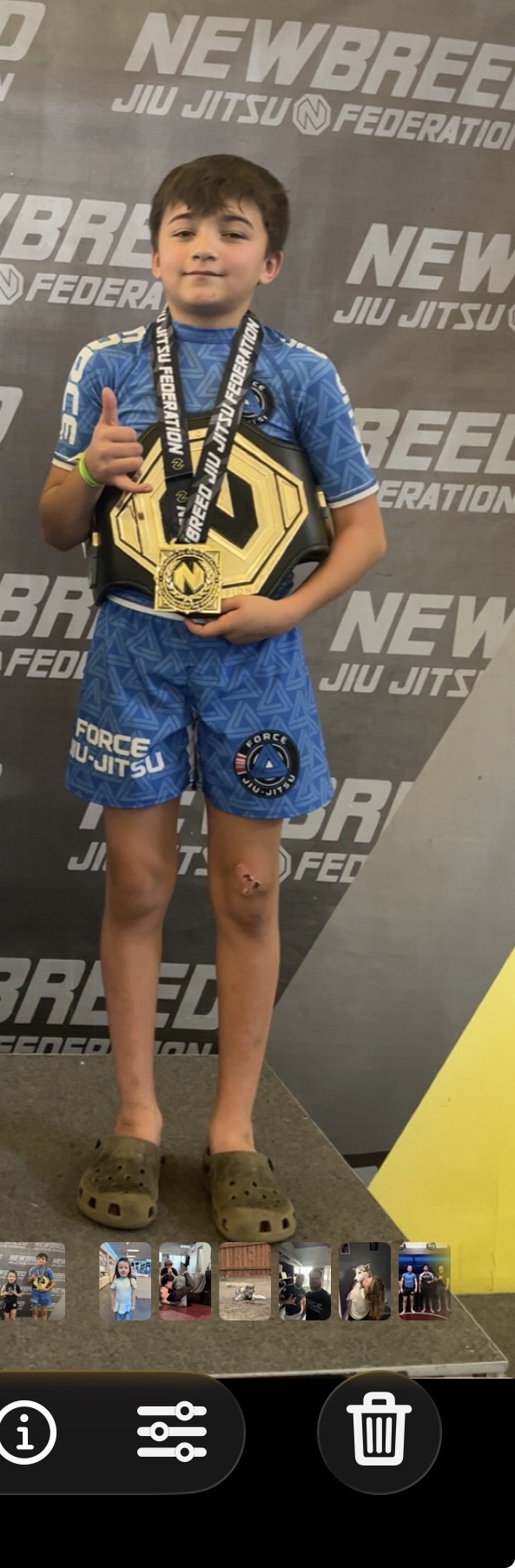
For youth athletes especially, competition should never require a dangerous last-minute weight cut. The goal is long-term development, not forcing a child to trade health for a number on a scale.
- Pack gear and confirm event details early.
- Eat familiar foods and hydrate normally.
- Review a few trusted positions.
- Reset attention to the next useful action.
The result becomes information.
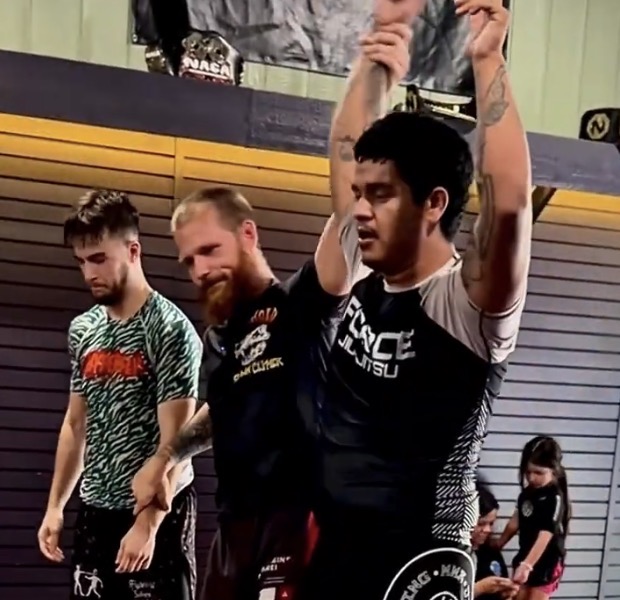
Winning deserves to be celebrated. Losing deserves an honest review—not shame. Both outcomes can improve the athlete when coaches separate identity from result and return attention to decisions.
The best competitors are not emotionless. They learn how to feel pressure without handing it control.
“Calm does not mean passive. Calm means available for the next decision.”