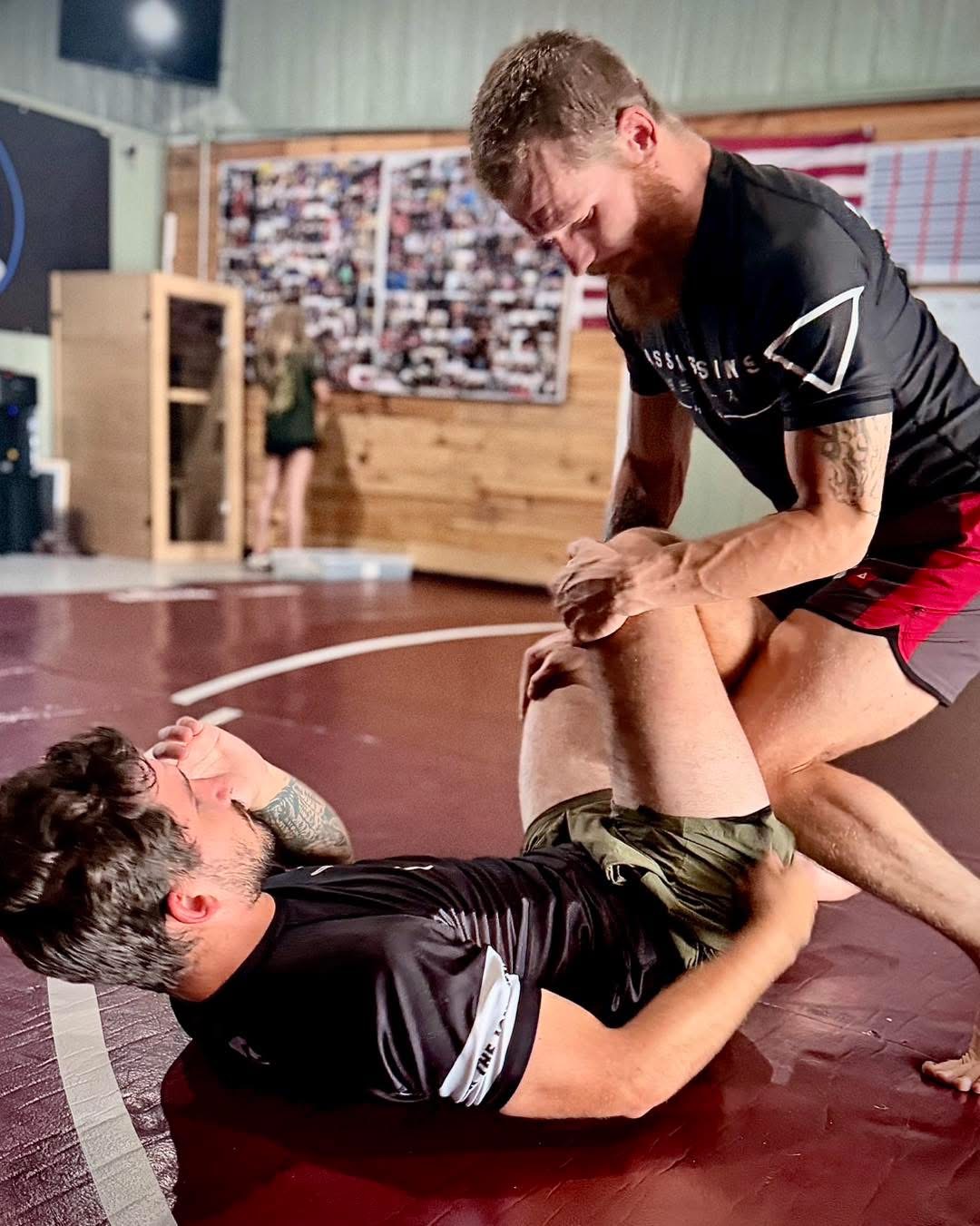
A practical framework for eating, hydrating, sleeping, and recovering like a Jiu-Jitsu athlete without chasing gimmicks.
Training is only the signal.
Hard rounds tell the body to adapt. Food, sleep, hydration, and time provide the materials to do it. When recovery is consistently underfunded, an athlete may still attend practice—but the quality of attention, movement, and decision-making drops.
Start with the boring fundamentals because they work: regular meals, enough total food, protein across the day, carbohydrates around demanding sessions, and water before thirst becomes urgent.
Build a repeatable training day.
Eat familiar foods you digest well. Arrive hydrated. After practice, replace fluid and get a balanced meal instead of waiting until late at night. Sleep is not a luxury added after everything else; it is where much of the adaptation happens.
Supplements cannot rescue a schedule built on short sleep and inconsistent eating. Use them only to fill a clear need, and involve a qualified medical or nutrition professional when health conditions, medications, or aggressive weight changes are involved.
- Protein supports repair.
- Carbohydrates support hard training.
- Fluids and electrolytes support performance.
- Sleep supports learning and recovery.
Take care of the athlete, not just the performance.
Pain that changes movement, weakness, numbness, repeated dizziness, or symptoms that do not settle deserve professional evaluation. Toughness is not ignoring useful information from the body.
The aim is not one heroic week. It is the ability to train well for years.
“General education is not medical advice. Individual needs belong with a qualified professional.”