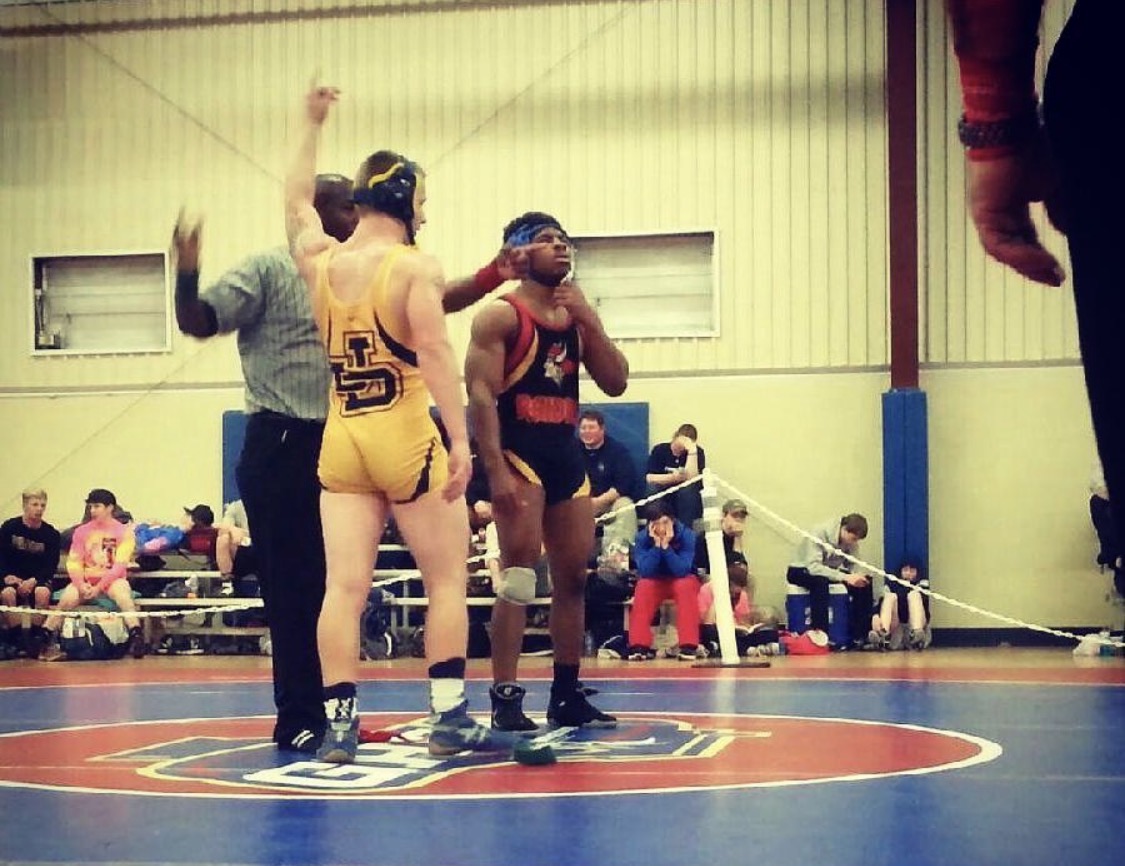
Wrestling gives grapplers more than takedowns. It teaches urgency, ownership, and useful movement under fatigue.
Every grappling exchange begins somewhere.
If an athlete cannot create contact, finish a takedown, or recover to their feet, somebody else gets to make the first meaningful decision. Wrestling teaches athletes to take ownership of that beginning.
A reliable stance, purposeful motion, clean setups, and the discipline to finish through resistance change the entire shape of a Jiu-Jitsu match. The athlete stops waiting for the match to happen and starts influencing where it goes.
The transfer goes beyond takedowns.
Folkstyle top control sharpens pressure, breakdowns, rides, mat returns, and the ability to keep an opponent working. Bottom wrestling develops escapes, reversals, and a refusal to accept a bad position as permanent.
The pace also matters. Wrestling forces repeated effort with limited time to negotiate. Athletes learn to correct quickly, move while tired, and stay dependable when technique becomes uncomfortable.
- Choose where the exchange begins.
- Finish positions instead of admiring entries.
- Recover to the feet with urgency.
- Maintain pressure without wasting energy.
A separate discipline. A stronger complete grappler.
Wrestling should be learned with its own rules, details, and respect—not reduced to a handful of takedowns attached to Jiu-Jitsu. When athletes train the discipline honestly, the crossover takes care of itself.
At Force, the wrestling pathway is led by Wyatt Montgomery, a former collegiate wrestler, state placer, and Jiu-Jitsu black belt. The result is instruction that understands both the wrestling exchange and what comes after it.